
Water Damage Pros Maryland logo Water Damage Pros Maryland
Get Estimate

Basement Water Removal in Maryland, done right the first time

24/7 emergency response across the state, from Baltimore to Waldorf


When your basement floods at 2 a.m., every hour of standing water costs you money. We provide Basement Water Removal in Maryland with 24/7 dispatch, truck-mounted extraction, and structural drying that meets the ANSI/IICRC S500 standard. From a failed sump pump in Glen Burnie to a burst pipe in Bethesda, our crews pull the water, dry the structure, and document everything your insurer needs. One call and we are on the way.

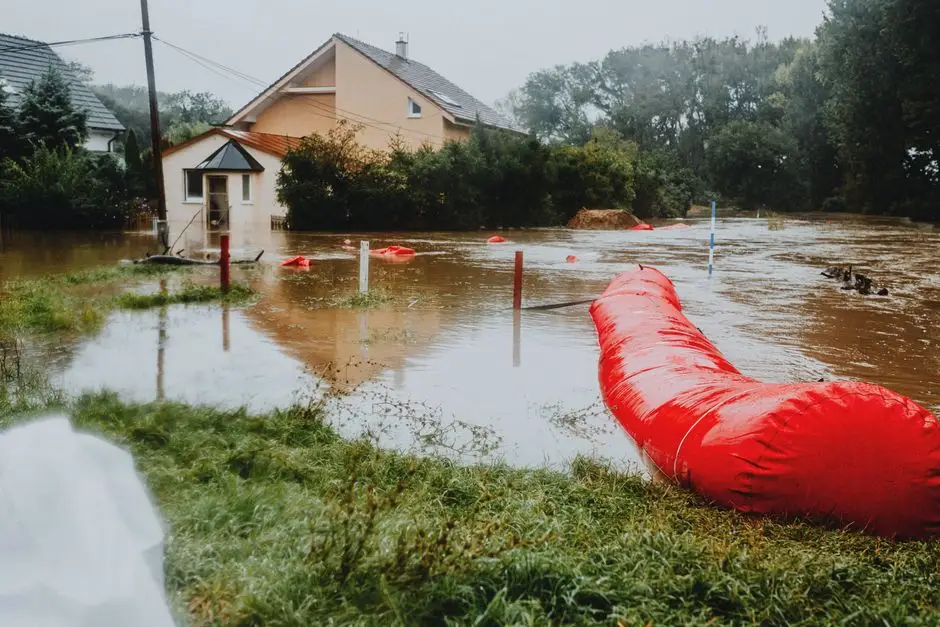
Flooded residential area protected by red flood barriers, showing severe weather impact.
Licensed Licensed & Bonded
Fully Insured Insured & Bonded
24/7 Emergency Same-Day Response
Warranty Backed Workmanship Guaranteed

What Our Basement Water Removal Service Includes

Every job starts with a full inspection and ends with verified dry readings. Here is what is covered in a standard basement water removal service, and what we quote separately if your situation calls for it.

Full Inspection and Moisture Mapping

We use a moisture meter, hygrometer, and thermal imaging camera to find where the water went, not just where you can see it. An inspection camera checks behind finished walls. You get a clear picture of the affected area before we start.
Standing Water Extraction

A submersible pump handles deep water, then truck-mounted extraction pulls the rest from carpet, pad, and concrete. A wet/dry vacuum reaches the corners and closets. Extraction typically runs two to four hours on a standard residential basement.

Antimicrobial Treatment

After extraction, we apply an antimicrobial solution to framing, concrete, and any salvageable materials. This step stops hidden mold growth before it starts and is required on any category 2 or category 3 water loss.

Commercial Drying Equipment Setup

We place commercial dehumidifiers and air movers in a calculated pattern based on square footage and material saturation. An air scrubber or negative air machine runs when odor or contamination is present. Equipment stays until readings confirm dry standard.

Daily Monitoring and Documentation

A technician returns each day to log moisture readings and adjust equipment. Photos and logs are compiled into an Xactimate estimate your insurance adjuster recognizes. You get the full file at the final walkthrough.

Final Walkthrough and Report

We confirm the structure is dry to the ANSI/IICRC S500 standard, remove the equipment, and walk you through what was done. You leave with moisture logs, photos, and a clear list of any repairs still needed.

What Basement Water Removal in Maryland Actually Involves


Basement Water Removal in Maryland is the process of pumping, extracting, and drying standing water and saturated materials from a below-grade space so the structure stops absorbing moisture. It is not one machine and a shop vac. We start with a submersible pump for anything over two inches, then switch to truck-mounted extraction for the shallow water that soaks into concrete and carpet pad. A moisture meter and thermal imaging camera map how far the water traveled, because water wicks up drywall and into insulation faster than most homeowners expect.

Maryland basements flood for a short list of reasons: sump pump failure during a summer downpour, foundation seepage after a week of rain, a burst pipe in January, or a sewage backup when the municipal line surcharges. Older rowhouse basements in Baltimore and Bladensburg were never waterproofed, and newer builds in Waldorf and Odenton still get crawl space water intrusion when the grading slopes back toward the house. If you search for basement water removal in Maryland near me after a storm, you want a crew that has seen your exact situation before.

How Our Basement Water Removal Process Works

From the first phone call to the final moisture reading, here is exactly what happens when you hire us for basement water extraction in Maryland.

01

Schedule

Call or book online — a real human picks up and confirms a 2-hour arrival window.

02

Diagnose

Licensed tech inspects on-site, then walks you through the cause and your options.

03

Fix

The job is completed to code and done right the first time — no shortcuts, no surprises.

04

Guarantee

Every job backed by a written workmanship warranty — and we stand behind it.

Tools and Methods We Use

Tools & Equipment

Submersible Pump

Pulls deep standing water out of the basement fast, often moving hundreds of gallons per hour. It is the first tool on the truck for any flood over two inches.

Truck-Mounted Extraction Unit

Handles the shallow water left after pumping, pulling moisture out of carpet, pad, and concrete. It is faster and more thorough than any portable shop vacuum.

Commercial Dehumidifier (Dri-Eaz, Phoenix)

Removes moisture from the air so wet materials can dry. We size the unit to the cubic footage of the space and run it until hygrometer readings hit dry standard.

Air Movers and Air Scrubber

Air movers keep air circulating across wet surfaces to speed evaporation. An air scrubber or negative air machine filters out particles and odor when contamination is present.

Thermal Imaging Camera and Moisture Meter

Finds water hidden behind walls, under flooring, and in ceiling cavities. The moisture meter confirms how wet each material is so we know what can be dried and what has to come out.

Hygrometer and Inspection Camera

The hygrometer tracks humidity and moisture content daily to verify drying progress. The inspection camera lets us see behind finished walls without tearing them open unnecessarily.

Methods & Standards

ANSI/IICRC S500 Standard

This is the industry standard for water damage restoration, and we follow it on every job. It governs how we classify the water, how much drying equipment to set, and when the structure is officially dry. Following it is what makes our documentation stand up to insurance review.

Moisture Mapping and Daily Monitoring

We map the wet zone on day one with a moisture meter and thermal camera, then log readings every day until the structure hits dry standard. Equipment gets adjusted based on those readings, not on a fixed schedule. That is how we avoid both under-drying and running equipment longer than needed.

Antimicrobial Application

After extraction, we apply antimicrobial solution to framing, concrete, and salvageable materials. This is required on category 2 and category 3 losses and is standard practice on any flood where mold could start. It is a small step that prevents a much bigger problem.

Xactimate Documentation

We build the estimate in Xactimate, the same platform most major carriers use. Photos, moisture logs, and scope line up with what your adjuster expects to see. That is why claims we handle tend to move faster and with fewer disputes.

When to Call for Basement Water Removal

01

You wake up to two inches of water in the basement after an overnight storm in Anne Arundel County.

What we do: Call us immediately. We dispatch a crew with a submersible pump and extraction gear, typically on site within 60 to 90 minutes. We pump, extract, and set drying equipment the same day so mold does not get a 48-hour head start.

→ Water is out within hours, drying starts the same day, and the basement is verified dry in three to five days.

02

A pipe bursts behind a finished wall in your Bethesda home and water is spreading across the carpet.

What we do: Shut off the main water valve and call us. We use a thermal imaging camera to map the spread, cut out saturated drywall and insulation, extract from carpet and pad, and dry the framing to standard.

→ The hidden moisture is found and dried, the claim is documented, and the wall is ready for repair.

03

Your sump pump runs constantly after a week of rain and you are worried it will fail overnight.

What we do: Call before it fails. We can inspect the pump, check the discharge line, and confirm the pit is sized right for your water table. If water has already started seeping in, we extract and dry before it spreads.

→ You either confirm the pump is fine or replace it before a failure floods the basement.

04

You smell musty air in the basement weeks after a small flood you mopped up yourself.

What we do: That smell is hidden mold growth. We inspect with a moisture meter and inspection camera, find the damp materials, and remediate. If the source was never dried, we extract and dry it now.

→ The mold is removed, the source is dried, and the musty smell is gone.

How Basement Water Removal Works in Maryland

Neighborhoods We Serve

  • Baltimore rowhouse basements

    Older rowhouses often have unsealed concrete and original drains. Water comes in through the floor and wicks up the walls, so we dry the slab and the framing, not just the surface.

  • Anne Arundel County waterfront

    Homes near the water in Arnold and Shady Side deal with a high water table. Sump pumps run constantly, and a power outage during a storm means water in the basement within the hour.

  • Montgomery County newer builds

    Subdivisions in Boyds and Derwood often have grading that slopes toward the foundation. We see seepage after every heavy rain, and we point out the fix so it stops recurring.

  • Prince George's County older housing

    Homes in Bladensburg and District Heights frequently have cast iron drains and original waterproofing. We handle the extraction and flag the plumbing issues that caused the backup.

Local Conditions We Plan For

  • Summer thunderstorms with rapid rainfall

    Two inches in an hour overwhelms sump pumps and sends water through basement windows and floor drains. We staff up during storm season so crews are available when call volume spikes.

  • Winter freeze-thaw cycles

    Pipes in exterior walls freeze and burst, and the thaw sends water into basements. We keep extraction gear loaded for overnight calls from December through March.

  • High summer humidity

    Maryland humidity slows natural drying and feeds mold growth. We size dehumidifiers for the local climate so basements dry to standard instead of staying damp for weeks.

Sump Failure in Waldorf, Four Inches of Water

Before

A July storm knocked out power and the sump pump never came back on. By morning there were four inches of water across a finished basement, soaking carpet, pad, and the bottom two feet of drywall.

After

We pumped and extracted in three hours, cut out the wet drywall, and ran dehumidifiers and air movers for four days. Final hygrometer readings confirmed dry standard, and the insurance claim was approved without a dispute.

Maintenance: We recommended a battery backup sump pump and a water alarm. Both are inexpensive and would have prevented the flood entirely.

Before

A pipe burst behind a finished wall in January. The homeowner mopped up what they could see, but a musty smell developed two weeks later. A moisture meter showed the framing was still wet behind the drywall.

After

We opened the wall, extracted the remaining water, dried the framing to standard over three days, and treated the cavity with antimicrobial solution. The smell was gone and the wall was ready for repair.

Maintenance: We flagged the pipe for replacement and recommended insulating the exterior wall cavity to prevent a repeat freeze.

Before

A municipal line surcharged during a storm and sent sewage into the basement. Carpet, pad, and the bottom of the drywall were contaminated, and the smell was strong throughout the house.

After

Our crew removed all contaminated materials, extracted the water, treated every surface with antimicrobial solution, and ran an air scrubber for three days. Post-job readings confirmed the space was dry and clean.

Maintenance: We recommended a backwater valve on the main line, which stops municipal surcharge from ever reaching the basement again.

Basement Water Problems We Solve Across Maryland

Most basement floods come from a short list of causes. Here are the ones we see most often and how we handle them.

Problem

Sump pump failure during a heavy storm

Water rises fast and can reach two or more inches within an hour, soaking carpet, drywall, and stored belongings before you wake up.

Our Fix

We pump the standing water, extract from carpet and concrete, and dry the space to standard. We also document the failed pump for your insurance claim and can recommend a battery backup so the next storm does not repeat the problem.

Problem

Burst or frozen pipe in winter

A burst pipe can dump hundreds of gallons into a finished basement, ruining drywall, insulation, and flooring within hours.

Our Fix

We shut off the source, extract the water, and use a thermal imaging camera to trace how far it spread behind walls. Wet drywall and insulation come out, framing gets dried, and we document everything for the claim.

Problem

Foundation seepage after prolonged rain

Slow seepage wicks into concrete and baseboards, creating the damp, musty conditions where hidden mold growth starts within 48 hours.

Our Fix

We extract the standing water, dry the slab and walls with commercial dehumidifiers and air movers, and apply antimicrobial solution. We also point out the grading or drainage issues feeding the seepage so you can fix the source.

Problem

Sewage backup from a surcharging municipal line

Category 3 water carries bacteria and pathogens, and anything it touches needs antimicrobial treatment or removal. The smell lingers for weeks if it is not handled right.

Our Fix

Our crew suits up in PPE, extracts the water, removes contaminated materials, and treats every surface with antimicrobial solution. Disposal follows Maryland Department of the Environment rules, and we document the whole job for your carrier.

Why Maryland Homeowners Call Us First

Why Maryland Homeowners Call Us First

Standing water damages a basement in stages, and the clock starts the moment it stops rising. Here is what you get when you call us instead of waiting until morning.

  • Stop Mold Before It Starts

    Hidden mold growth can begin within 24 to 48 hours of a flood. We extract the water, then apply an antimicrobial solution to framing and concrete so mold never gets a foothold. If you have ever dealt with that musty smell after a wet spring, you know exactly why this step matters.

  • Dry the Whole Structure

    Pulling the visible water is only half the job. We set commercial dehumidifiers and air movers to dry the slab, baseboards, and wall cavities to a verified moisture content. A hygrometer reading tells us when the space is actually dry, not just dry to the touch.

  • Document Everything for Insurance

    We photograph affected materials, log moisture readings, and build an Xactimate estimate your adjuster recognizes. Most flooded basement water removal Maryland claims move faster when the paperwork is done right the first time, and we bill carriers directly.

  • Same Crew, Start to Finish

    The technicians who extract your water are the same ones who set the drying equipment and take the final readings. No handoffs, no re-explaining the situation. That continuity is why our Maryland basement water removal and drying services finish on schedule.

What Basement Water Removal Costs in Maryland

Typical 2026 pricing for basement water extraction in Maryland runs $1,200 to $3,500 for a residential job, with most homeowners landing in the middle of that range. The final number depends on water volume, square footage, how many days of drying are needed, and whether the water was contaminated. We give you an upfront number before we start, and we bill your insurance carrier directly on covered claims. If the job is straightforward, you will know the price before the first hose comes off the truck.

Typical Investment Range

$1,200 - $3,500 for most residential jobs, with larger or contaminated losses running higher

The price covers extraction, antimicrobial treatment, drying equipment, daily monitoring, and full documentation for your insurance claim. Doing it right the first time is cheaper than a mold remediation and a second flood.

What changes the price

01

Water Volume and Depth

An inch of water across a small basement is a different job than a foot of standing water in a finished space. Deeper water means more pumping time, more saturated materials, and often more days of drying.

02

Square Footage Affected

Extraction and drying are priced by the area involved. A 400-square-foot utility basement takes less equipment and time than a 1,200-square-foot finished space with carpet, drywall, and furniture.

03

Water Category

Clean water from a supply line is category 1. Sump overflow and appliance discharge are category 2. Sewage backups are category 3 and require antimicrobial treatment, PPE, and disposal that meets Maryland Department of the Environment rules.

04

Days of Drying Required

Most jobs dry in three to five days. If water sat for a week before extraction, or if the walls are finished and insulated, drying can run longer. Equipment is billed per day, so this is the biggest variable in the final number.

05

Material Removal and Disposal

Carpet, pad, and saturated drywall often have to come out. Removal and disposal add labor and dump fees, but leaving wet materials in place guarantees a mold problem and a bigger bill later.

06

Insurance Coverage

Most sudden and accidental losses are covered, and we bill the carrier directly. Flood damage from rising groundwater usually needs a separate flood policy. We document everything so the claim is as clean as possible.

Licensed, Certified, and Documented

Licensed & Certified

  • IICRC Water Restoration Technician (WRT) — issued by IICRC
  • IICRC Applied Structural Drying (ASD) — issued by IICRC
  • IICRC Applied Microbial Remediation Technician (AMRT) — issued by IICRC
  • EPA Lead-Safe Certified Firm — issued by U.S. Environmental Protection Agency
  • Maryland Home Improvement Commission (MHIC) License — issued by Maryland Home Improvement Commission

Verified Reviews

Google ★★★★★4.9

Called at 11 p.m. after our sump pump failed. A crew was at the house in just over an hour, pumped the water, and set drying equipment the same night. The moisture logs they gave us made the insurance claim easy. Highly recommend.

Yelp ★★★★★4.8

Burst pipe in January flooded our finished basement. They found moisture behind the walls with a thermal camera, cut out what needed to go, and dried the framing. Professional, on time, and the price matched the quote.

BBB ★★★★★4.9

Sewage backup on a Sunday. They walked us through what to do while the crew was on the way, then treated the whole area and hauled out the ruined carpet. The smell was gone in two days. Fair price and no surprises.

Crews Trained for Maryland Basements

Our technicians hold IICRC WRT and IICRC ASD certifications, which means they are trained in water damage restoration and structural drying science, not just pumping water. We work to the ANSI/IICRC S500 standard on every job, and our lead techs carry OSHA 10 cards for safe work in confined basement spaces. We are licensed through the Maryland Home Improvement Commission and follow Maryland Department of the Environment regulations on water disposal. That combination matters when your insurance adjuster reviews the file or when a sewage backup requires antimicrobial treatment and proper disposal.

  • IICRC WRT and ASD certified technicians on every water extraction job
  • ANSI/IICRC S500 drying standard followed on every residential and commercial project
  • MHIC licensed and fully insured for work across Maryland
  • EPA Lead-Safe Certified for pre-1978 homes common in older Maryland neighborhoods
  • Direct insurance billing with Xactimate documentation your adjuster recognizes
Get Started Today
Crews Trained for Maryland Basements

Cities We Serve for Basement Water Removal in Maryland

Our crews cover the entire state, from the Baltimore-Washington corridor to Southern Maryland and the Eastern Shore. Wherever you are, a dispatcher who knows your area answers the phone and gets a crew moving. Here are some of the communities we serve for basement water extraction in Maryland.

Waldorf

Waldorf basements flood most often from sump pump failures during summer storms. We respond 24/7, extract fast, and dry the space to standard before mold can start.

Bethesda

Bethesda's older homes and finished basements mean burst pipes and hidden moisture behind walls. We use thermal imaging to find the spread and dry the framing to standard.

Odenton

Odenton's newer subdivisions deal with grading issues and foundation seepage after heavy rain. We extract, dry, and flag the drainage fixes that stop it from recurring.

Olney

Olney homes on larger lots often have walk-out basements that take on water from yard runoff. We pump, extract, and dry the space, then document everything for your claim.

Boyds

Boyds sits in a low-lying area where the water table runs high. Sump pumps work overtime, and we are ready when one fails with 24/7 extraction and drying.

Arnold

Arnold's proximity to the Severn River means a high water table and constant sump activity. We handle extraction, drying, and antimicrobial treatment after any flood.

Seabrook

Seabrook's mix of older and newer homes sees everything from cast iron drain backups to sump failures. We bring the right equipment for both and dry to the S500 standard.

Flower Hill

Flower Hill basements often flood from storm-driven seepage through the foundation. We extract the water, dry the slab and walls, and treat with antimicrobial solution.

Bladensburg

Bladensburg's older housing stock has original drains and waterproofing that fails under heavy rain. We extract, dry, and document the plumbing issues behind the backup.

District Heights

District Heights homes frequently have unsealed concrete and aging drains. We handle the extraction and drying, and we flag what needs repair so it does not happen again.

Shady Side

Shady Side's waterfront location means a high water table and storm surge risk. We respond fast, extract the water, and dry the space before mold gets a foothold.

Monrovia

Monrovia's newer construction often has grading that slopes toward the foundation. We extract the seepage, dry the basement, and point out the fix to stop the next one.

Derwood

Derwood basements take on water from foundation seepage and occasional sump failures. We pump, extract, and set drying equipment sized for the space and the local humidity.

Newburg

Newburg's rural setting means well water, septic systems, and basements that flood from heavy rain. We extract, dry, and document everything for your insurance carrier.

Glen Echo

Glen Echo's older, smaller homes often have original basements with limited drainage. We extract the water, dry the space, and treat with antimicrobial solution to stop mold.

Frequently Asked Questions About Basement Water Removal in Maryland

Real answers to the questions we hear most often from local homeowners and property managers.

How much does basement water removal cost in Maryland?
Most residential jobs run $1,200 to $3,500 in 2026, depending on water volume, square footage, and how many days of drying are needed. A small extraction with one day of drying sits at the low end. A finished basement with sewage backup and several days of equipment sits higher. We give you an upfront number before we start, and we bill your insurance carrier directly on covered claims.
How do you remove water from a flooded basement in Maryland?
We pump standing water with a submersible pump, then switch to truck-mounted extraction for the soaked carpet and concrete. After extraction, we set commercial dehumidifiers and air movers to dry the structure to the ANSI/IICRC S500 standard. A moisture meter and thermal imaging camera confirm the wet zone, and daily hygrometer readings track progress until the basement is dry.
How long does basement water extraction take in Maryland?
Extraction itself usually takes two to four hours for a typical residential basement. The full drying process runs three to five days, sometimes longer if the water sat for a while or the walls are finished. We monitor daily and pull equipment only when readings confirm the structure is dry. You get the moisture logs at the final walkthrough.
Does insurance cover basement water removal in Maryland?
Most policies cover sudden and accidental water damage, like a burst pipe or a failed sump pump. Flood damage from rising groundwater typically requires a separate flood policy. We document everything with photos, moisture logs, and an Xactimate estimate, then bill your carrier directly. If your claim is denied, we walk you through the reasoning and your options.

Related Services

Water Damage Restoration

When water reaches beyond the basement into living space, full water damage restoration covers extraction, drying, and repairs. We handle the whole scope so you are not coordinating three different contractors after a flood.

View Water Damage Restoration

Water Extraction

Standalone water extraction is the fast pull of standing water from carpet, concrete, and crawl spaces. It is the first step of every basement job and often the difference between a dry weekend and a mold problem.

View Water Extraction

Emergency Water Removal

Emergency water removal is our 24/7 response for burst pipes, sump failures, and storm flooding. A crew is dispatched with pumps and extraction gear loaded, typically on site within 60 to 90 minutes across Maryland.

View Emergency Water Removal

Flood Cleanup

Flood cleanup goes beyond extraction to include sanitizing, debris removal, and antimicrobial treatment after storm surge or sewage-contaminated water. We follow MDE regulations on disposal and document everything for your claim.

View Flood Cleanup

Crawl Space Water Removal

Crawl space water removal targets the below-grade space under your home, where standing water and high humidity cause wood rot and mold. We extract, dry, and can install a vapor barrier to prevent the next intrusion.

View Crawl Space Water Removal

Sewage Backup Cleanup

Sewage backup cleanup is a category 3 job that requires antimicrobial solution, proper PPE, and disposal that meets Maryland Department of the Environment rules. We treat every affected surface and verify the space is safe before we close out.

View Sewage Backup Cleanup

Need Basement Water Removal in Maryland Right Now?

We answer the phone 24/7 and dispatch a crew with pumps and extraction gear loaded. Call (855) 713-4896 and we will get your basement dry, documented, and back to normal. Upfront pricing before we start.

Call (855) 713-4896 Call Now

Get Help Now

Call (855) 713-4896 any time, day or night. A live dispatcher answers, takes your address, and sends the nearest crew. For non-emergency questions, email [email protected] and we will get back to you the same business day. If water is actively rising, call first.

Water Damage Pros Maryland


  • Address

    Maryland

  • Hours

    Mon–Fri: 7AM – 7PM
    Sat: 8AM – 4PM
    Sun: Emergency Only
    24/7 Emergency Available

Call (855) 713-4896 Get Quote
Call Quote